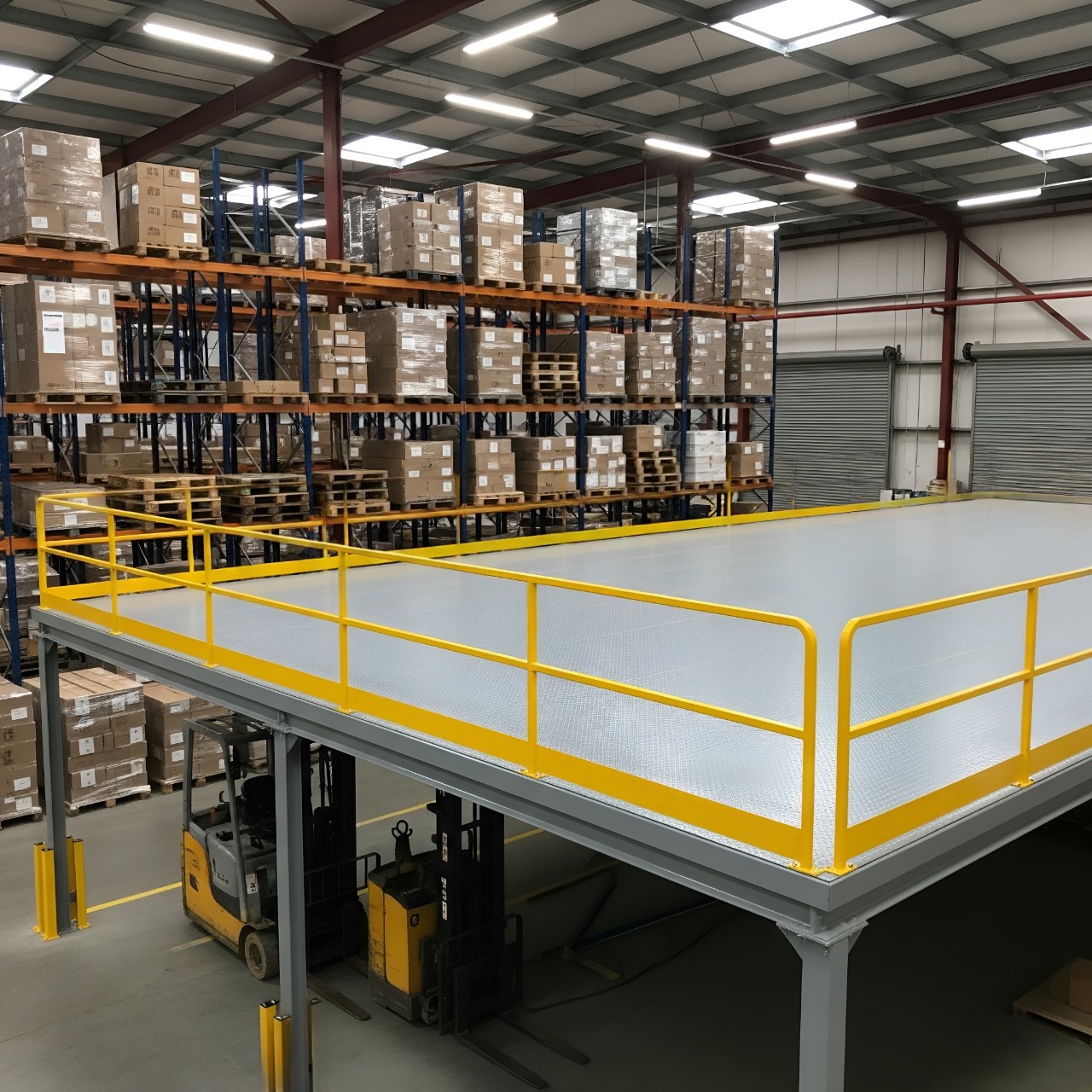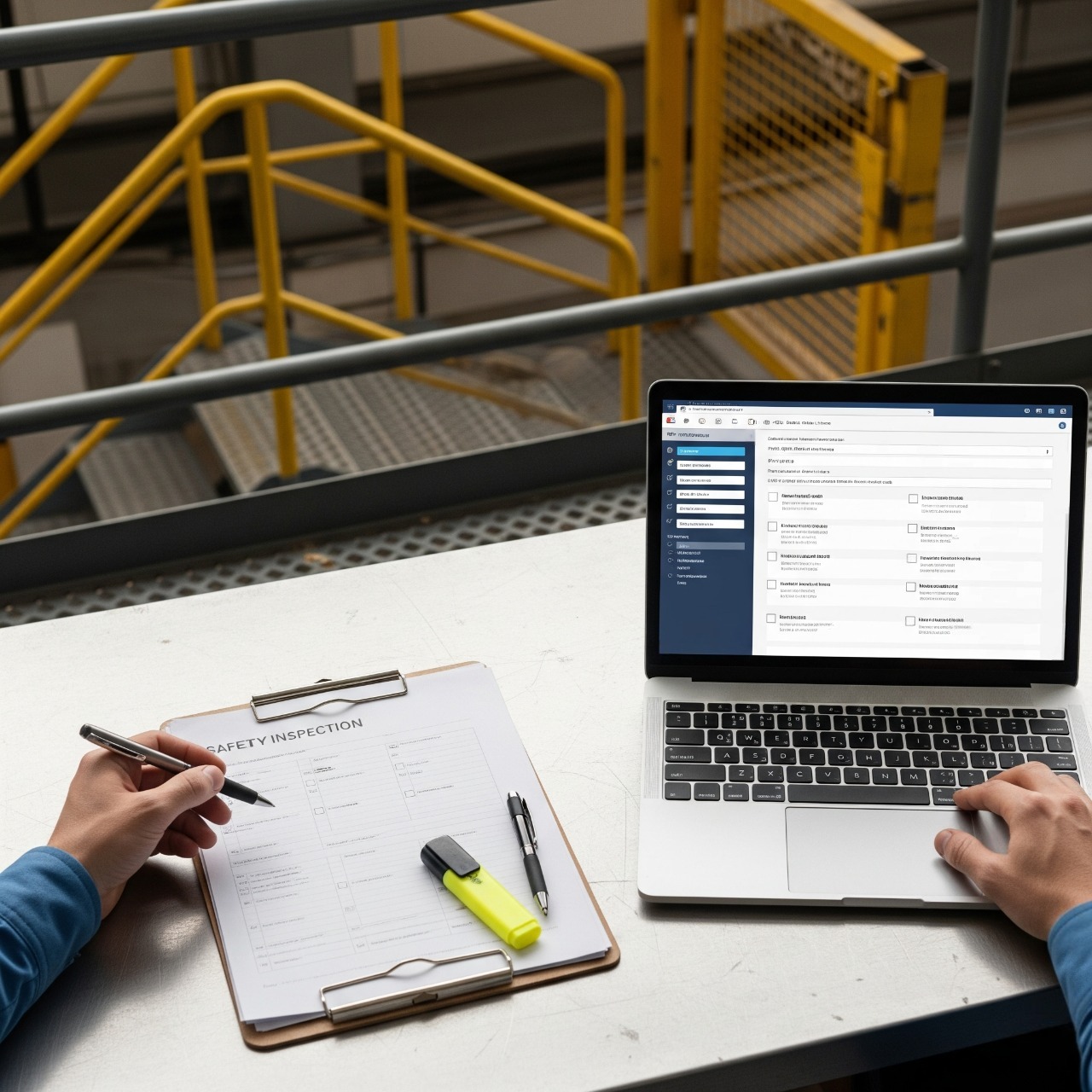

Two Mezzanine Floors. Same Footprint. Completely Different Costs.
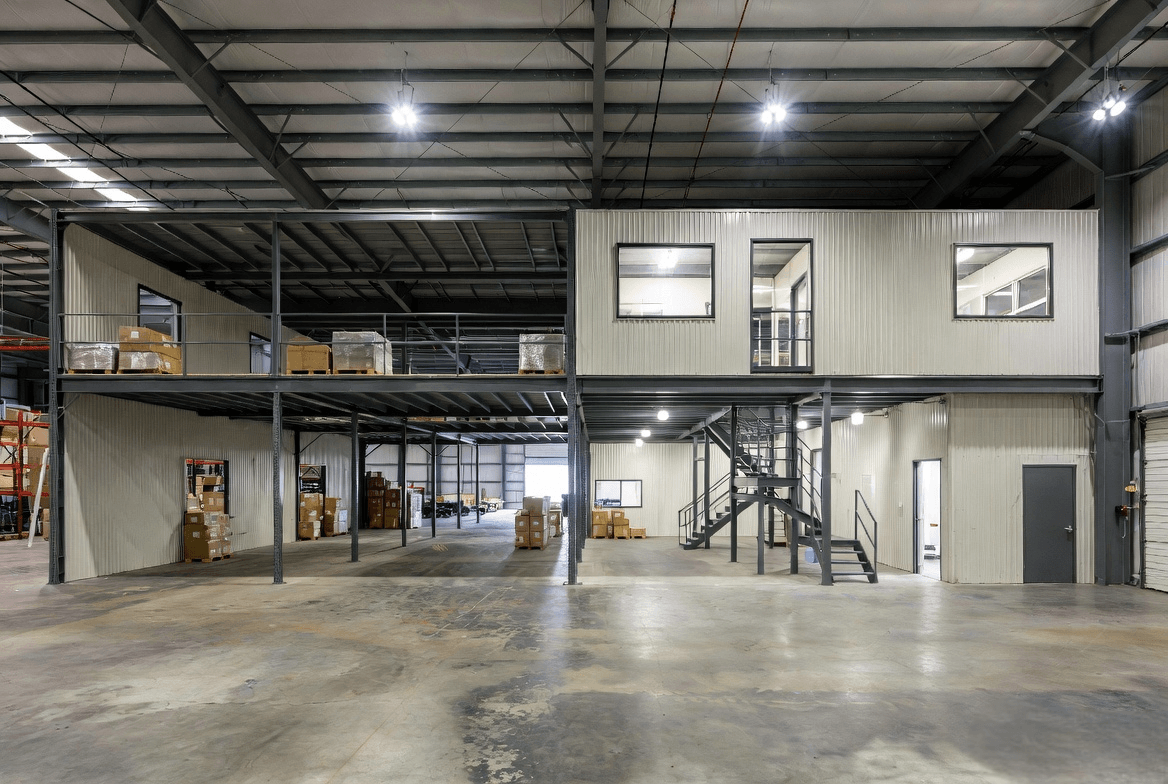
A widespread misunderstanding in mezzanine planning is the belief that floor dimensions are the primary factor behind project pricing. On the surface, that assumption appears reasonable. If two mezzanine installations occupy an identical warehouse area, many businesses expect the investment level to remain broadly comparable.
In practice, that is rarely the case. Two mezzanine systems can share the same measurements while varying considerably in structural specification, technical detailing, regulatory obligations, and overall construction scope. Although the visible footprint may appear identical, the operational expectations placed on the platform often reshape the entire engineering strategy behind the installation.
For that reason, mezzanine projects should never be assessed purely by square footage.
The defining factor is not simply how large the platform is.
It is how the additional level is intended to operate within the facility.
Why Similar Mezzanine Structures Can Produce Different Project Values
From a visual standpoint, two mezzanine installations may seem nearly indistinguishable.
Both may:
- Occupy the same warehouse area
- Sit at comparable elevations
- Incorporate similar steel layouts
- Present almost identical appearances
However, once the practical application of the mezzanine changes, the technical requirements behind the structure shift as well.
For instance, a platform intended solely for lightweight stockholding involves very different engineering priorities compared to a mezzanine developed to combine workspace accommodation with operational storage.
These distinctions are not always obvious at first glance.
Much of the variation exists within the hidden structural calculations, safety provisions, and regulatory considerations supporting the finished installation.
Why Mezzanine Design Should Always Begin with Operational Requirements
Effective mezzanine planning is not simply about adding another level inside a warehouse.
It is about creating a structure designed to meet specific operational demands safely, effectively, and efficiently.
Businesses often concentrate heavily on dimensions because measurements are straightforward to compare. However, the intended activity within the mezzanine area is what ultimately determines how the structure must be specified and constructed.
This is why:
- Functional demand carries more importance than appearance
- Structural performance matters more than floor coverage
- Compliance obligations influence design far beyond dimensions alone
A mezzanine with the same measurements can behave entirely differently depending on how the additional space is expected to perform within daily operations.
Conclusion
Two mezzanine floors may occupy the exact same warehouse dimensions while resulting in substantially different project investments.
The determining factor is rarely the physical size alone.
Elements including intended application, structural loading expectations, compliance obligations, fire safety provisions, and operational usage all contribute to how the mezzanine must be engineered and delivered.
A platform designed for straightforward storage and another developed for integrated office functionality may appear visually alike, yet behind the scenes they function as entirely different systems.
This is why mezzanine costs should never be judged purely on footprint size.
Ultimately, the true driver behind specification and pricing is what the structure is required to support operationally. Understanding those requirements early can lead to more accurate planning, smoother installation, and better long-term performance. If you’re exploring mezzanine options for your facility, feel free to contact us to discuss your project requirements.